
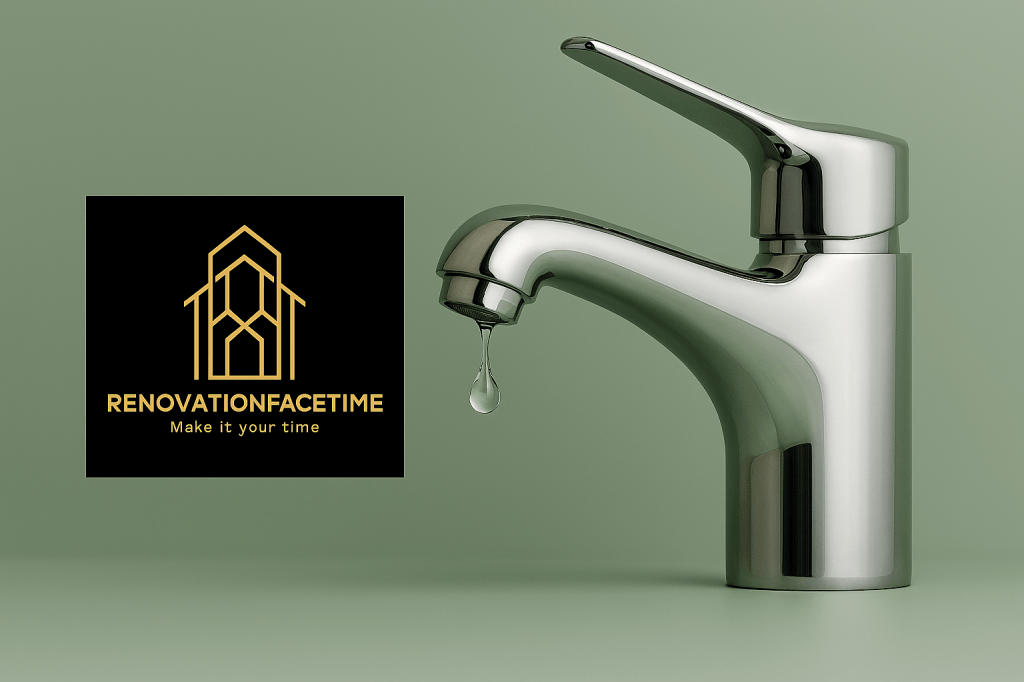
“Between the small issue you can fix yourself and the problem that truly requires a professional, the line is thin. Here’s how to tell the difference.”
« Entre le petit pépin qu’on peut régler soi‑même et le problème qui exige un expert, la frontière est mince. Voici comment la reconnaître. »
DIY or Call the Pro? A Homeowner’s Guide to Smart Plumbing Decisions
Plumbing is one of those areas where ambition meets reality—fast. Every homeowner wants to save money and feel capable, but water has a way of teaching hard lessons. Some plumbing jobs are perfectly safe and satisfying for a DIY approach. Others can turn catastrophic if handled without expertise. Knowing which is which is the key to protecting your home and your wallet.
Key Takeaways
- DIY-friendly: Minor repairs like replacing washers, installing showerheads, or fixing running toilets.
- Hire a pro: Anything involving the main line, gas connections, or pipe replacement.
- Golden rule: If it involves cutting, soldering, or high water pressure, call a plumber.
Understanding Plumbing Risk Levels
Plumbing projects vary not just in skill requirement, but in risk profile. A dripping faucet wastes water but won’t flood a basement. A misaligned pipe joint, however, can lead to hidden leaks that cost thousands. Think of plumbing as a hierarchy of complexity:
| Project Type | Skill Level | Risk of Damage | Typical Cost if DIY Fails |
| Replacing a faucet washer | Beginner | Low | <$50 |
| Installing a new sink or toilet | Intermediate | Moderate | $200–$600 |
| Replacing section of pipe | Advanced | High | $1,000+ |
| Main line or sewer work | Professional only | Extreme | $5,000+ |
When DIY Plumbing Makes Sense
DIY plumbing shines when the task is simple, visible, and isolated.
Here are common jobs homeowners can confidently handle:
- Fixing a dripping faucet by replacing a washer or cartridge.
- Unclogging drains using a plunger or a drain snake.
- Installing a new showerhead or aerator.
- Replacing toilet flappers or fill valves.
- Upgrading sink fixtures with compression fittings.
These tasks offer immediate payoff and minimal disaster potential. Plus, you’ll get comfortable with basic plumbing tools, which is a must for any homeowner.
The Hidden Value of Good Supplies
The difference between frustration and success often comes down to the quality of materials. When you have access to a broad range of professional-grade parts and tools, your odds of doing a safe, long-lasting job skyrocket.
For example, choosing the correct pipe fittings, valves, or seals reduces leaks and ensures compatibility between old and new systems. Access to available plumbing supply options, including pipes, fittings, valves, and essential repair tools, makes it easier and safer for homeowners to tackle small projects.
Quality materials don’t just make DIY easier; they also simplify the work of licensed plumbers who take over for larger projects, ensuring continuity and preventing costly rework.
Red Flags: When to Step Back
Certain plumbing issues carry risks beyond inconvenience. If you encounter any of these signs, stop and call a professional immediately:
- Water discoloration or low pressure throughout the home
- Constant sewer odors
- Recurring clogs in multiple drains
- Damp walls or floors (hidden leaks)
- Gas line connections or water heater issues
These are red flags that suggest systemic or hazardous problems—ones that DIY methods can worsen.
A Practical Checklist to Help You Decide
Before touching a wrench, walk through this short decision checklist:
- Can you see the problem directly?
- If yes → possibly DIY.
- If no → hire a pro (hidden leaks are deceptive).
- If yes → possibly DIY.
- Do you have to shut off the main water line?
- If yes → proceed cautiously; that’s intermediate territory.
- If yes → proceed cautiously; that’s intermediate territory.
- Does the job require soldering, cutting, or threading pipes?
- If yes → professional-grade skills required.
- If yes → professional-grade skills required.
- Is the fixture under warranty?
- If yes → unauthorized DIY could void coverage.
- If yes → unauthorized DIY could void coverage.
- Is it your first time attempting this task?
- Try simpler fixes first before escalating.
FAQ
Q: Is it safe to use chemical drain cleaners?
A: Occasionally, but sparingly. They can damage older pipes and harm the environment. Use mechanical methods like a snake or plunger first.
Q: How do I find a trustworthy plumber?
A: Look for licensed, insured professionals with verified local reviews and transparent pricing. Always ask for an estimate in writing.
Q: Why does my faucet still drip after replacing the washer?
A: The valve seat may be corroded, or the faucet body cracked, issues that require a replacement or professional repair.
Q: Can I install a new toilet myself?
A: Yes, if you’re comfortable with moderate DIY projects. Make sure you properly seat the wax ring and tighten bolts evenly to prevent leaks.
A Few Tools Every Homeowner Should Own
If you plan to handle minor plumbing work, equip your home toolkit with these essentials:
- Adjustable wrench
- Pipe wrench
- Plumber’s tape (Teflon tape)
- Plunger and drain snake
- Basin wrench (for tight spaces)
- Bucket and towels (because spills happen)
These simple tools let you address minor issues without panic, and they’ll pay for themselves the first time you fix something solo.
When to Call for Help (and Feel Good About It)
There’s no shame in calling a plumber. In fact, it often saves money. A professional ensures work meets code, pressure systems are safe, and materials are correctly fitted. Licensed plumbers also spot hidden issues—corrosion, improper venting, aging lines—that homeowners can easily miss.
Think of professional help as a safeguard against unseen costs, not as a last resort.
Conclusion
DIY plumbing can be deeply rewarding, but only when paired with realistic boundaries. Handle small, visible issues confidently, and leave anything involving pressure, gas, or major infrastructure to licensed professionals. The key is knowing your limits, preparing carefully, and recognizing when expertise matters most. Do that, and you’ll save money, prevent damage, and keep your home’s plumbing running reliably for years to come.———————————————————————————————————————————————————————————————————————



 RENOVATIONFACETIME
Leave a comment