
Thinking about a bathroom remodel? Vous pensez rénover votre salle de bain ?
This article is a must‑read before you begin. Cet article est incontournable avant de commencer.
Here’s the smartest renovation advice you’ll see today — worth a look before you start planning. Voici les conseils de rénovation les plus judicieux que vous verrez aujourd’hui — à lire avant de planifier quoi que ce soit.
A Smarter Way to Remodel a Bathroom Without Regret
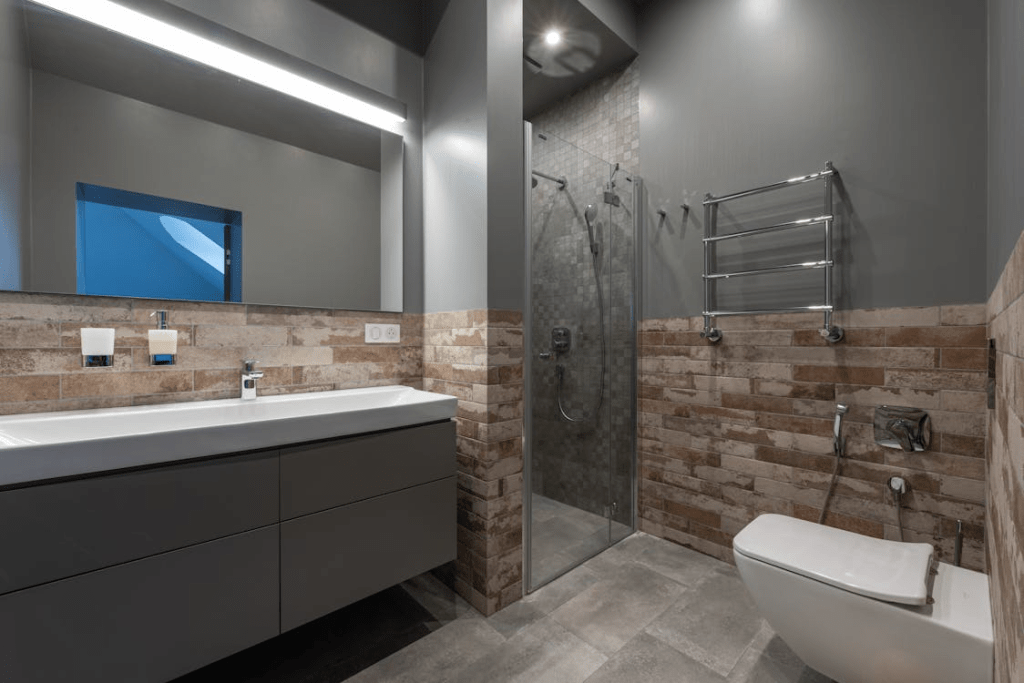
Bathroom remodeling is one of the most common projects homeowners take on, usually because the room no longer functions well, feels dated, or both. The challenge is that bathrooms combine plumbing, finishes, and daily use in a small footprint, which makes mistakes expensive. A well-planned remodel balances budget discipline, smart upgrades, and realistic decisions about what to do yourself and what to hand off. When those pieces line up, the result is a space that feels better every day and pays off long term.
Key Points
- Start with a clear budget range that includes a buffer for surprises.
- Focus spending on fixtures and upgrades that improve durability and resale value.
- Choose DIY tasks that reduce labor costs without risking water damage.
- Bring in licensed professionals for plumbing, electrical, and structural work.
- Keep plans and documents organized so decisions stay consistent throughout the project.
Budget Planning That Matches Real Life
Before choosing tile or fixtures, define how much you are willing to spend and why. Most homeowners underestimate costs because they forget about demolition, permits, and the small materials that add up quickly. A realistic budget usually includes a 10–20 percent contingency for issues like hidden water damage or outdated plumbing.
It also helps to separate “must-haves” from “nice-to-haves.” A leaking shower or failing vanity belongs in the first category, while heated floors or luxury finishes can wait if costs climb. This clarity prevents rushed decisions when unexpected expenses appear.
High-ROI Fixtures and Furnishings
Not all upgrades deliver the same return, either in daily comfort or resale appeal. Buyers and appraisers tend to value durability, efficiency, and clean design over trendy extras.
The table below compares common bathroom upgrades and how they typically perform in terms of value and longevity.
| Upgrade Type | Why It Pays Off | Typical Cost Impact |
| Water-efficient toilet | Lowers utility bills and appeals to buyers | Low to moderate |
| Quality vanity with storage | Improves function and visual appeal | Moderate |
| Walk-in shower with glass | Modern look and easier maintenance | Moderate to high |
| Updated lighting | Better visibility and ambiance | Low |
| Durable tile flooring | Long lifespan and moisture resistance | Moderate |
Spending more on solid fixtures often means fewer repairs and replacements later, which quietly protects your investment.
DIY Projects That Make Sense
Some bathroom tasks are well-suited for hands-on homeowners. Painting, swapping cabinet hardware, installing mirrors, or even assembling a vanity can reduce labor costs without much risk. These projects are forgiving and don’t usually involve hidden systems.
The key is honesty about skill level and time. If a task delays the project for weeks or risks water intrusion, the savings disappear quickly. DIY works best when it speeds things up or clearly trims the budget.
When Hiring a Professional Is the Better Call
Bathrooms concentrate plumbing, electrical, and ventilation systems in tight spaces. Mistakes here can lead to leaks behind walls or code violations that surface during resale. Licensed plumbers and electricians are essential when moving fixtures, upgrading wiring, or altering drainage.
Contractors also coordinate inspections and permits, which protects you from fines and rework. Paying for professional help in these areas often saves money by avoiding costly corrections later.
Keeping Plans and Documents Organized Digitally
As remodels grow more complex, paper notes and scattered files become hard to manage. Digitizing floor plans, budget worksheets, invoices, and design references makes it easier to share updates with contractors and track decisions over time. Storing everything in one place also reduces confusion when changes happen mid-project.
Saving documents as PDFs preserves formatting and prevents accidental edits when files are shared. Many homeowners rely on online platforms that allowyou to convert, compress, edit, rotate, and reorder PDFs, such as these tools to edit PDF files. Having this flexibility keeps the project moving even when details shift.
Planning Steps That Prevent Expensive Mid-Project Changes
Before work begins, it helps to move through the process in a clear order so decisions build on each other:
Order materials with lead times in mind.
Define your total budget and set aside a contingency.
Decide on layout changes before selecting finishes.
Choose high-impact fixtures that fit both style and function.
Confirm which tasks you will handle yourself.
Schedule professionals early for plumbing and electrical work.
Homeowner FAQs
If you are close to starting, these questions often come up when weighing cost, quality, and timing.
Should I hire one contractor or manage trades myself?
Hiring one contractor simplifies communication and scheduling, which reduces stress. Managing trades yourself can save money but requires time, coordination, and comfort handling problems. Many homeowners choose a contractor for larger remodels and self-manage only small updates.
Is it worth remodeling if I plan to sell soon?
A modest bathroom update often improves buyer interest and perceived home value. Focus on clean finishes, neutral colors, and functional upgrades rather than luxury features. Over-customizing rarely pays off before a sale.
How long does a typical bathroom remodel take?
A straightforward remodel often takes three to six weeks once work begins. Delays usually come from material backorders or unexpected repairs. Planning ahead and ordering fixtures early helps keep timelines realistic.
Can I reuse existing plumbing to save money?
Yes, keeping fixtures in the same location can significantly reduce costs. Moving plumbing adds labor and may require permits or inspections. If the layout works, reuse is often the most budget-friendly choice.
What mistakes cost homeowners the most?
Underestimating the budget and skipping professional help for critical systems are the biggest issues. Cheap materials that fail early also lead to repeat expenses. Planning carefully upfront prevents most of these problems.
Wrapping It Up
A successful bathroom remodel starts with realistic expectations and ends with confident decisions. By planning your budget carefully, investing in high-value fixtures, and knowing when to call a professional, you reduce both risk and stress. Thoughtful organization and clear priorities keep the project moving smoothly. In the end, the best remodel is one that works beautifully every day and still makes financial sense years later.


 RENOVATIONFACETIME
Leave a comment